
How to Stop Handmade Wool Rugs from Shedding Naturally?
If you have just unrolled a brand-new hand-tufted or hand-knotted rug and noticed loose fluff on the floor, you are not alone, and your rug is not falling apart. Shedding is one of the most searched, most misunderstood parts of owning a genuine wool rug. Below, we break down exactly why it happens and how to stop it naturally, without damaging the fibres or the investment you made in a handmade piece.
Why Do Handmade Wool Rugs Shed, and Is It Normal for a Wool Rug Dubai Buyer to Expect?
Yes, it is completely normal. Every handmade rug - whether hand-tufted, hand-knotted, or hand-loomed - is built from individual wool fibres that are cut, sheared, and finished by hand rather than sealed by a machine. During manufacturing, short, loose fibre ends get trapped inside the pile. Once the rug reaches your home and takes foot traffic, those trapped fibres surface and shed. This is true for every genuine wool rug Dubai household places in a living room or bedroom, and it is actually a sign of a natural, undyed-synthetic fibre rather than a synthetic blend.
How Long Does a New Zealand Wool Rug Take to Stop Shedding Naturally?
Most handmade rugs made from premium New Zealand wool rug fibres shed noticeably for 3 to 6 months, with the heaviest shedding in the first 4 to 8 weeks. New Zealand wool has a longer, stronger staple length than many other wool grades, which is exactly why it sheds less overall and stops shedding sooner than lower-grade wool blends. Rugs like the Naqsh hand-tufted wool rug and the Tideglyph hand-knotted wool rug are both built on 100% New Zealand wool for exactly this reason - durability and a shorter shedding window.
What Causes Excessive Shedding in a Wool Carpet Dubai Homes Use Daily?
A few specific factors make shedding worse than it needs to be:
-
Heavy foot traffic in the first weeks, before the pile has settled
-
Vacuuming with a rotating beater brush, which pulls fibres instead of lifting them
-
Dry indoor air from constant air conditioning, common in Dubai homes, which makes wool fibres more brittle
-
Pulling loose threads by hand instead of trimming them
-
Placing the rug in high-friction zones like under rolling office chairs
Any genuine wool carpet Dubai home uses in a living or dining space will shed faster if these habits aren't corrected early.
How Can You Reduce Shedding in Your Wool Rug for Home Naturally?
The good news is that shedding responds well to a few simple, natural habits. Here is what actually works for a wool rug for home use.
Should You Vacuum a Wool Rug Online Purchase Differently Than a Synthetic One?
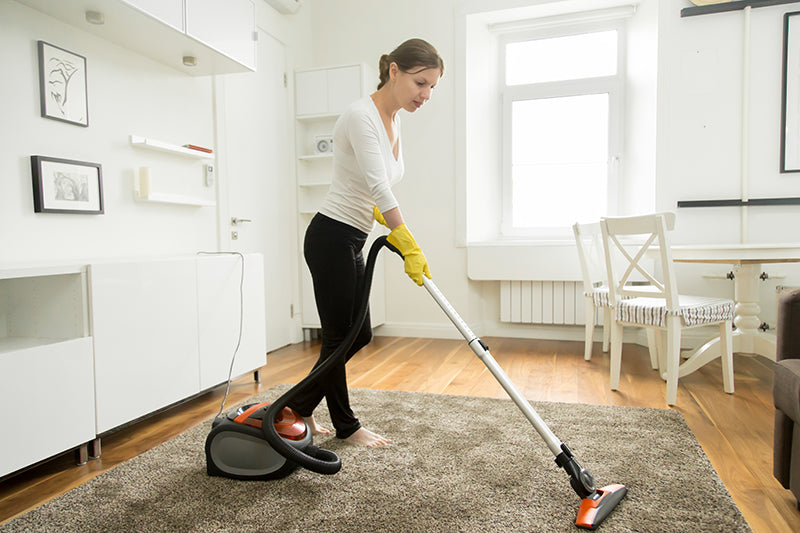
Yes. Always vacuum on a low-suction, no-beater setting, and vacuum in the direction of the pile rather than against it. Avoid the beater-bar or "carpet" mode entirely for the first few months of owning any wool rug online purchase. Gentle, frequent vacuuming lifts loose fibres to the surface without tearing new ones out of the weave.
Can Brushing or Combing Help a Handmade Wool Rug Shed Less?
A soft-bristle rug brush, used gently and only occasionally, can help loosen surface fluff faster than vacuuming alone. However, over-brushing or using a stiff-bristle brush has the opposite effect - it pulls at fibres that would otherwise settle on their own. Light, occasional brushing is the natural sweet spot for any handmade wool rug.
Does Rug Placement Affect Shedding in Wool Carpets Online Buyers Choose?
Yes. Rotating your rug a quarter-turn every 3 to 6 months evens out foot traffic and prevents one section from shedding faster than the rest. Using furniture pads under heavy legs, avoiding rolling office chairs directly on the pile, and keeping the rug out of direct, harsh sunlight all reduce fibre stress - advice that applies to almost every collection of wool carpets online, not just one design.
What Natural Remedies Stop Wool Carpets Online Shoppers Worry About Shedding?
-
Humidify dry rooms. Wool fibres shed less when indoor humidity is balanced, since dry, AC-cooled air makes wool brittle.
-
Trim, never pull. If a loose thread appears, snip it flush with scissors instead of pulling - pulling can unravel a knot or tuft.
-
Use a rug pad. A quality underlay reduces friction between the rug backing and the floor, which lowers fibre stress from sliding and shifting.
-
Professional cleaning. Having the rug professionally cleaned every 12 months in high-traffic rooms (or 18 months elsewhere) removes trapped loose fibres deep in the pile naturally, without chemicals that can dry out the wool.
When Should You Worry About Shedding in a Wool Rug Dubai Homes Display?
Shedding should taper off steadily, not continue at the same intensity past the 6-month mark. If your rug is still losing large amounts of fibre well beyond that window, or if you notice thinning patches or an unraveling weave rather than loose fluff, that is worth raising with your retailer. On a genuine, well-constructed wool rug Dubai household owns, this is rare - most shedding concerns resolve with the natural care steps above.
How Do You Choose a Low-Shedding Wool Rug Online in Dubai?
If shedding is a top concern before you buy, look for:
-
100% New Zealand wool construction, known for longer fibre staples and less initial shedding - as used in rugs like Tideglyph, Ayaan, and Rov
-
Hand-knotted construction, which generally sheds less than hand-tufted rugs over time
-
Denser knot counts, since a tighter weave locks fibres in more securely
-
A retailer that offers a home trial, so you can test the rug's feel and shedding pattern in your own space before committing, such as Aiba World's rugs home trial service
Wool-silk blends like Ashveil and flatweave dhurrie styles like Ruska also tend to shed less over their lifetime once past the initial break-in period, since flatweave construction has no raised pile to shed from.
Conclusion - Is Shedding a Sign of Poor Quality in a Handmade Wool Rug?
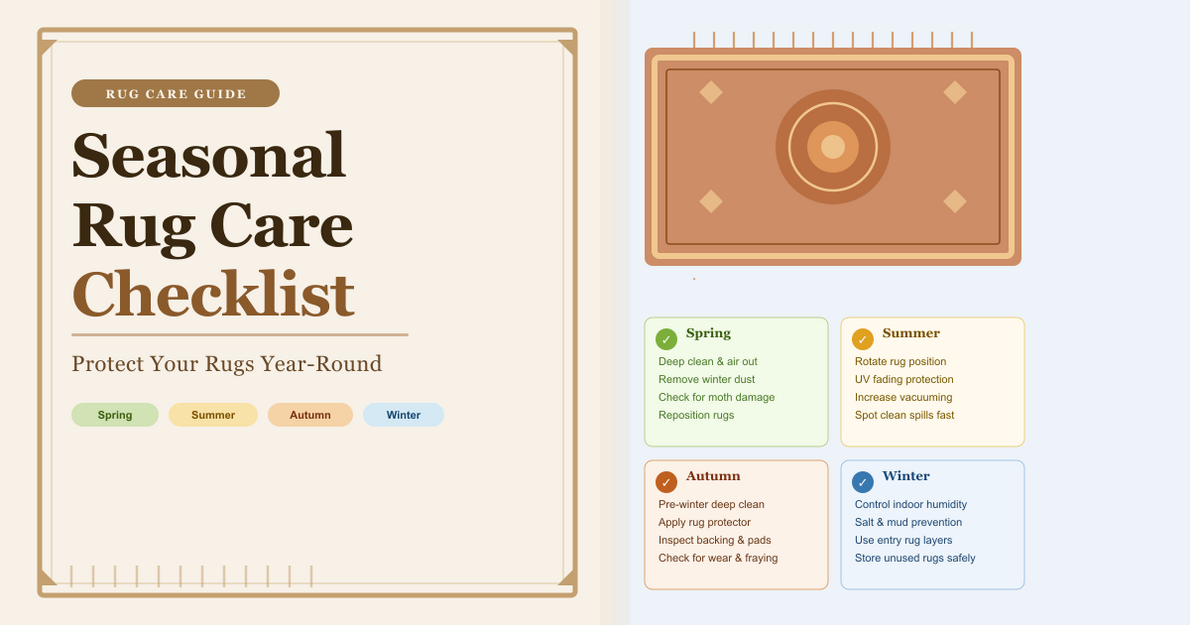
No - in fact, the opposite is often true. Shedding is a natural characteristic of genuine, hand-crafted wool, not a defect. With gentle vacuuming, occasional light brushing, rotation, and patience through the first few months, any handmade rug settles into a shed-free, long-lasting centrepiece. For more on choosing the right fibre for your space, see our guide on jute vs. wool rugs and our full rug material guide, or browse our complete rug care checklist for year-round maintenance.
Ready to shop with confidence? Explore Aiba World's full range of handmade rugs or book a rugs home trial free to feel the quality of a genuine New Zealand wool rug before you buy.
Frequently Asked Questions
Do all wool rugs shed?
Yes, almost all genuine handmade wool rugs shed to some degree when new. This is caused by loose fibres left in the pile during hand-tufting or hand-knotting, and it is considered a normal, temporary part of owning real wool.
How long does it take for a wool rug to stop shedding?
Most wool rugs shed the most in the first 4 to 8 weeks and settle down within 3 to 6 months of regular use and gentle vacuuming. Higher-grade wool, like New Zealand wool, typically sheds for a shorter period than lower-grade blends.
Is a shedding rug a sign of bad quality?
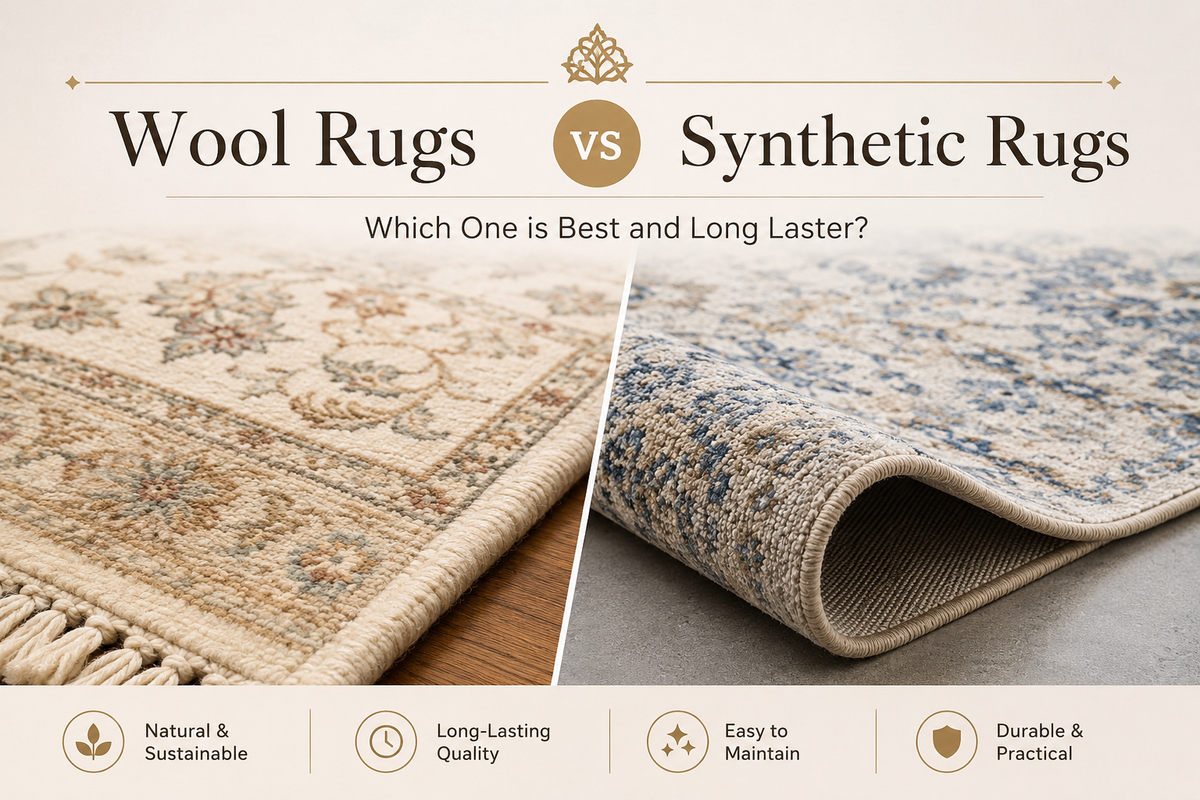
No. Shedding is actually more common in genuine, densely hand-knotted wool rugs than in cheap synthetic ones, because synthetic fibres are heat-sealed and don't shed the same way. Shedding usually indicates real wool fibre rather than poor craftsmanship.
How can I stop my wool rug from shedding fast?
Vacuum gently on a no-beater setting, avoid pulling loose threads (trim them instead), rotate the rug regularly, and keep indoor humidity balanced. These natural steps speed up the settling process without damaging the weave.
Should I vacuum a new wool rug, or will that make shedding worse?
You should vacuum a new wool rug, but only on a low-suction setting without a rotating beater brush. Proper vacuuming actually helps release trapped loose fibres faster and reduces shedding over time.
Can a rug that sheds too much be fixed?
If shedding continues heavily well past 6 months, or you notice thinning patches rather than loose fluff, it's worth having the rug inspected. In most cases, though, continued gentle care resolves ordinary shedding naturally without any repair needed.