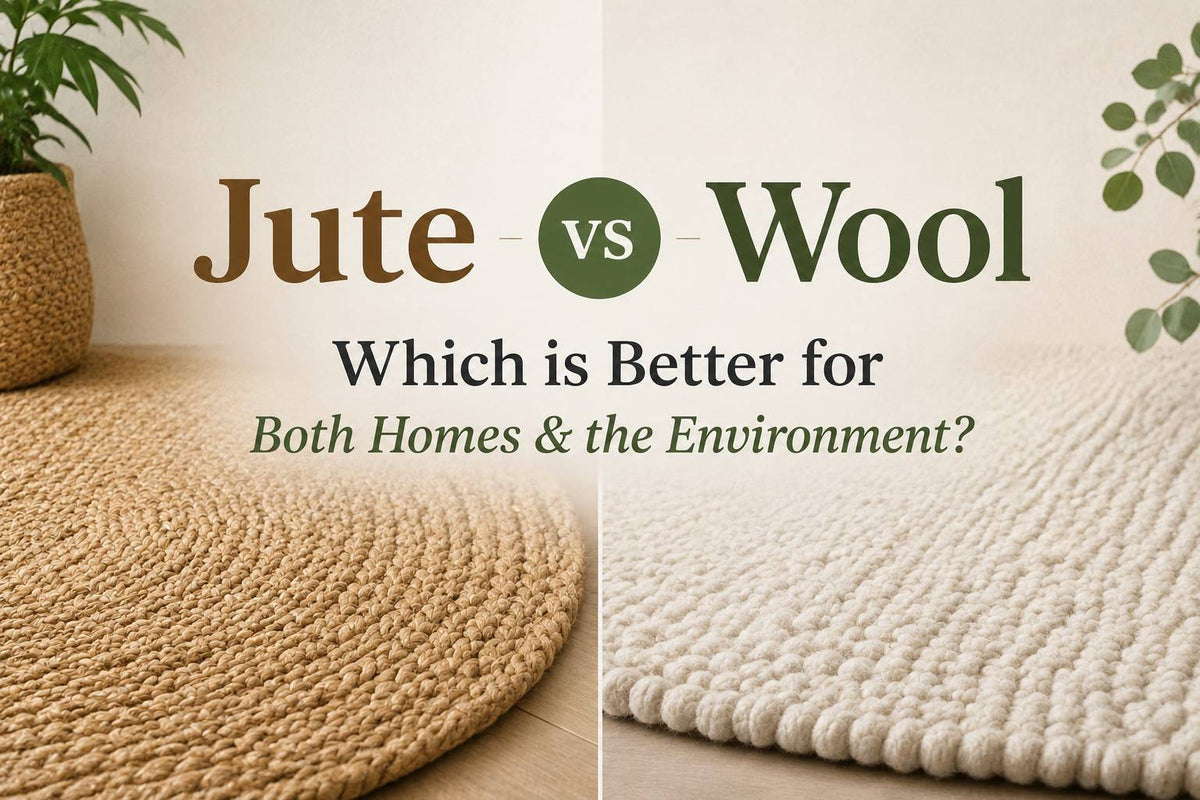


Rug Material Guide: Best Carpet Fibers for Pets, Kids, Humidity & Everyday Living
The decision of which carpet materials to use goes much deeper than just how they will look in your space; a well-chosen material can improve your day-to-day life if you have young children, pets, or experience heavy foot traffic throughout your home, as well as experience humid conditions. Some carpet materials are soft but very difficult to maintain, while others are durable enough to stand up to high traffic areas, but may seem less warm or have poorer texture than other materials.
At AIBA World, we have created our rugs with a design focused on comfort and functionality. If you are looking for the best material for your rug in a living room, or trying to determine the easiest rug material to clean, understanding the various materials from which rugs can be made will help you narrow down your choices and make an informed decision about what rug would be best for your home and lifestyle.
Best Carpet Materials for Pet-Friendly Homes
If you have pets that live with you, they can put a lot of wear and tear on your carpet. Choosing a rug material that is not suitable can result in a lot of premature wear and tear due to your pet's muddy paws, hair, and scratches from their claws. Therefore, the best carpet materials when you have pets in your home include those that are durable, easy to care for, and stain-resistant.
Wool is one of the best materials to use as it repels dirt and sound. If you have a pet that sheds heavily, you may want to consider low-pile wool rugs because they will be less difficult to clean.
Polypropylene rugs are also an excellent choice for homes with pets since they will resist stains, moisture, and scratches from your pet. Many homeowners want to provide a natural look to their homes with pets and are now turning to handmade natural rugs with durable fibers.
Jute rugs can create texture with a natural look, but they are not as versatile as other materials like cottons and synthetics. Jute rugs work in moderately active areas with low moisture but should not be used in areas expected to frequently have moisture or spills.
Best rug fibres for kids & homes with lots of spills
Rug selection for homes with kids should consider the ability of rugs to withstand spills, food stains, and movement. Rug searches for kid-friendly rugs also tie into dog-friendly rugs, due to the need for both comfort, practicality, and safety.
Rugs made of cotton are soft, lightweight, and laundry-friendly, making them a great choice for play areas and kids' bedrooms. Wool rugs are also an excellent choice because they are naturally flame-resistant and durable.
The easiest-to-clean rugs are usually made from a synthetic fiber, such as polypropylene; therefore, these rugs are the most popular choice for dining rooms and family rooms (where spills are more prevalent).
According to recent trends, many homes are now incorporating natural textured rugs like braided jute rugs as decorative accent pieces in more relaxed, family-oriented spaces, creating warmth and style, while still being a durable and dependable choice.
The Best Rug Materials for a Humid Environment
Rugs can be seriously affected by humidity levels. Some fibers can absorb moisture and eventually lead to odors, mold, and faster damage. Choosing the right type of rug for your area's humidity conditions is, therefore, important.
Polypropylene is considered a synthetic rug fiber ideal for the humid environment because it is moisture-resistant and dries quickly once wet. Flat-weave cotton rugs are also appropriate for use inside a home with high humidity because they allow for much better air circulation.
Jute rugs tend to absorb moisture and should only be used in rooms with good air circulation. If you have a strong preference for natural textures, consider opting for lighter-weave styles like round jute rugs to use indoors in dry areas.
When you are selecting a rug for use in an area with high humidity, you should avoid using a heavy shag rug because it will trap moisture and will therefore be more difficult to keep clean over time.
Low-Shedding vs. High-Shedding Rugs
Some rugs are manufactured to shed fiber from the first time they're used. As a rug sheds fiber, over time, there is typically a reduction in the amount of fiber shed from the rug; however, some types of fiber naturally shed more than others.
Wool rugs will usually shed some fiber during their first couple of uses; however, high-quality, hand-made wool rugs will shed significantly fewer fibers than machine-made wool rugs. Viscose rugs can also shed easily and lose fibre quickly when used heavily.
If you are looking for a rug material that is less likely to shed, it is best to go with a low-pile synthetic rug or a tightly-woven cotton rug. Natural woven rugs made of materials such as round jute rugs, crochet jute rugs, will generally shed some loose fibers at first, but should remain manageable with routine vacuuming and care.
Using a rug pad to hold the rug in place will also prevent the rug from deteriorating or losing fibers prematurely.
Which Rug Materials will Endure well into the Years Ahead?
Rugs are created from different types of materials, and thus their longevity will vary due in part to the quality of the fibers as well as the quality of the loom used to produce them. Wool, Jute blend, and Polypropylene are the three most durable rug materials for high-traffic areas.
A wool rug is usually considered an investment because it can last for decades, while a polypropylene rug is ideal for busy homes and families because they repel stain and resists moisture.
Jute rugs tend to hold up well in low-traffic areas when they are well-maintained. Generally, handmade rugs will outlast machine-made, mass-produced synthetics because the manufacture of these types of products is often done with better materials, craftsmanship, and the use of more natural fibers.
Wool vs Polypropylene vs Jute vs Viscose
It can be very useful to understand how these four types of rug fibers differ to make a practical decision regarding which type of rug is best for you.
Wool is naturally soft and durable, insulating, and lasts for many years. Wool is probably best suited to living rooms and bedrooms if you want a long-lasting rug and expect many people or pets to walk on it.
Polypropylene rugs are inexpensive and easy to maintain and clean. They are very stain-resistant and provide the best choice for pet and child-friendly homes, and are recommended for use in areas that are frequently exposed to moisture or humidity.
Jute is natural, textured, and eco-friendly, and is often best suited for relaxed interior spaces where a family or group may be experiencing moderate traffic.
Viscose is very smooth and shiny, adding a touch of luxury to any room, but it has less durability compared to other fibers and is more difficult to care for.
Many homeowners compare wool and polypropylene because they may both be good choices, depending on your lifestyle. Wool has a warmer feel and provides a premium-quality feel when compared to polypropylene.
However, in exchange for that premium-quality feel, you will typically have to do a lot less maintenance and upkeep on a polypropylene rug.
Rug Materials That Will Not Fare Well in a High-Traffic Area:
Some rugs do not hold up well when placed in a busy home. Rugs made from delicate fibers such as silk and viscose will show wear, flatten, and become damaged much more quickly in a high-use area than in a low-use area.
Shag rugs are known for their soft feel, but they also trap dirt and dust, and can be hard to clean. Thin man-made fiber rugs with no backing will wear out quickly in an entry/family room.
For active families, it is better to choose rugs made from natural fibers with a dense weave as opposed to delicate decorative materials.
Material Comparison Chart:
|
MATERIAL |
BEST FOR |
CLEANING COMFORTABILITY |
DURABILITY |
PET FRIENDLY |
|
Wool |
Perfect Living rooms and bedrooms |
Medium |
High |
Yes, it is. |
|
Polypropylene |
Comfortable for kids and pets |
Easy to handle |
High |
Excellent |
|
Jute |
Organic material |
Medium |
Moderate |
Medium |
|
Cotton |
Perfect for casual spaces |
Easy to clean |
Medium |
Good |
|
Viscose |
Decorative places |
Very difficult |
Very less |
Not Recommended |
At AIBA World our Rug Material selection adds a significant contribution to how your room feels and looks; creating Rugs with the perfect balance of Comfort, Durability, and Timeless Design is what we are about.
In this manner, the selection of Rug Material can influence the aesthetics of a space to make it more appealing while also accommodating daily routines and activities within that space.
How to Choose the Right Rug Size for Every Room |
FAQs
Which rug material is best for homes with pets?
The best materials for pet-friendly rugs include polypropylene and wool. These fabrics are also stain, moisture, and easy to scratch resistant; and wool is easy to maintain and naturally durable. Low pile rugs tend to be easier to keep clean and are easier to keep clean because they do not collect as much pet hair.
What is the most durable rug material for high-traffic areas?
The quality of wool makes it one of the most long-lasting materials for high-traffic zones, as it retains its texture and looks for years. Stain resistance, moisture resistance, and everyday wear are also attributes of polypropylene that make it a good choice for any busy household.
Are wool rugs better than synthetic rugs?
Wool rugs are softer, naturally insulating, and extremely durable and well-suited for the luxury interior. Synthetic rugs, such as polypropylene, are easier to clean and are less costly. The choice depends on your lifestyle, maintenance requirements, and foot traffic.
Which rug materials are easiest to clean and maintain?
The polypropylene rugs are among the least difficult rugs to clean since they withstand stains, moisture and spills. Cotton rugs also fit the bill for low maintenance and for casual rooms. Maintaining both natural and synthetic rugs for longer-lasting performance through regular vacuuming and quick spot cleaning.
Is jute a good rug material for everyday use?
Jute is a good choice for use in moderate-traffic areas, yes. Delivers a natural texture and warmth to interiors, while being eco-friendly and durable. Natural fibres do take up water, however, so jute rugs should not be exposed to too much moisture.
What rug material works best in humid climates?
Polypropylene rugs are ideal for humid climates where they can withstand moisture and dry easily. The cotton rugs are also good because they are lightweight and allow for better airflow. The rule of thumb is to avoid thick shag rugs and moisture-absorbing fibers in humid areas, as they could cause odors and deterioration over time.